
Power generation assets operate within increasingly complex and dynamic energy systems, where grid stability, load response and regulatory compliance are critical.
Aging infrastructure, growing penetration of renewable sources, BESS installations and evolving grid requirements are transforming how power generation must operate.
Ensuring stable, flexible and efficient generation, while maintaining system reliability and compliance with grid codes, is a key challenge for power producers.

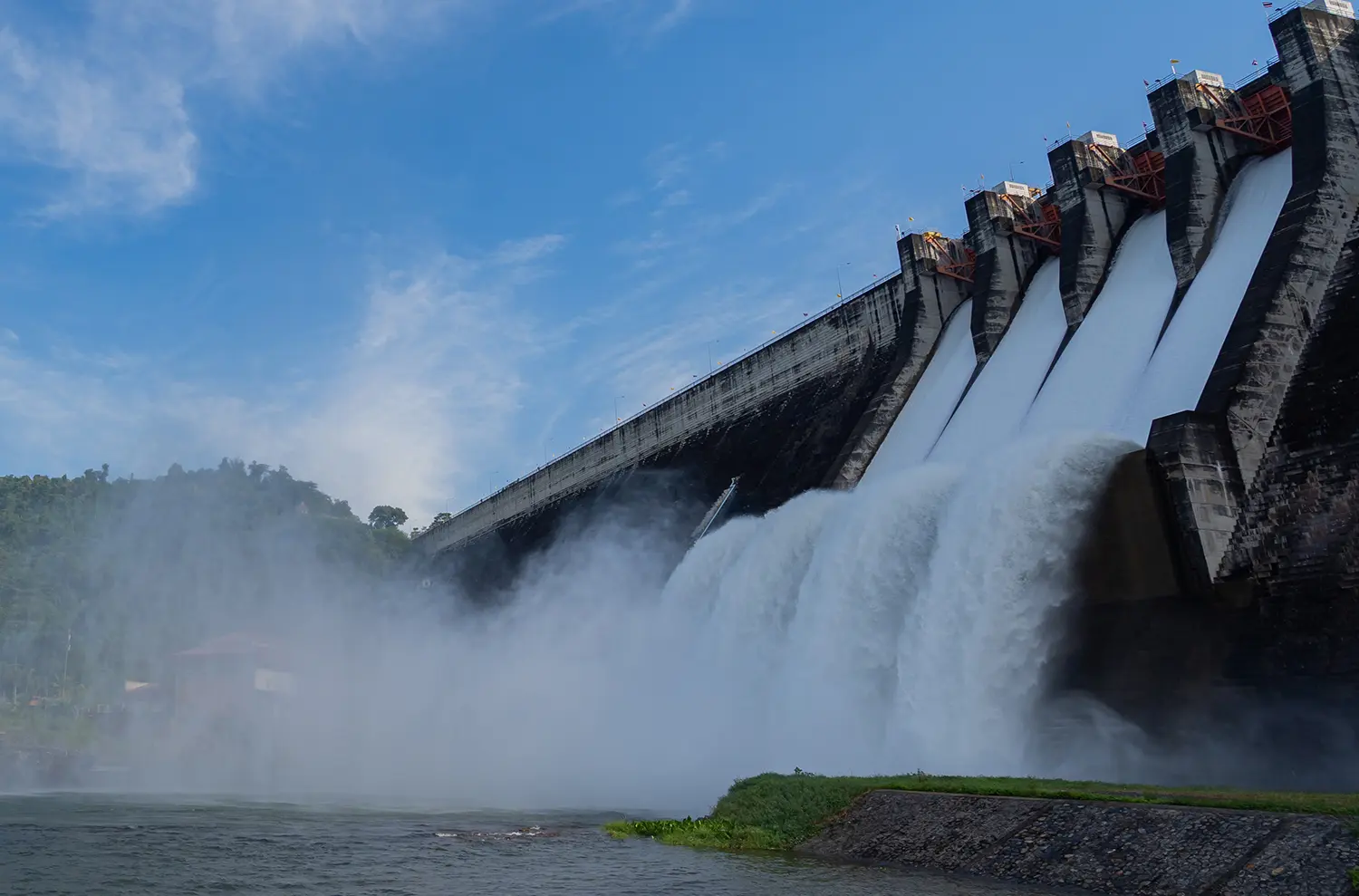
Power generation assets depend on stable and continuous operation, where system reliability and availability directly affect grid stability, load response and regulatory compliance.
Aging Control & Protection Systems
Legacy control platforms reduce system reliability, increase failure rates and limit maintainability.
OEM Obsolescence & Spare Parts Scarcity
Unsupported systems create long-term risks due to lack of OEM support, spare parts and documentation of old infrastructures.
Increased Failure Probability & Unplanned Downtime
Outdated systems lead to unexpected trips, reduced availability and higher operational costs.
Risk of unplanned outages, grid instability and inability to meet dispatch and regulatory requirements, directly impacting system credibility, competitiveness and revenue streams.
 Enhancing Reliability, Availability & Aging Longevity by:
 Systems upgrade from obsolete systems to modern, OEM-supported technologies for long-term maintainability.
Long-term system support through MAS unique OEM ecosystem

Maximisation of ROI by targeted retrofit engineering
Power plants operate within interconnected and multi-layered systems, requiring coordination across assets, grid interfaces and control architectures for stable operation.
Interconnection with Grid & External Systems
Integration with transmission and distribution systems (i.e. DSO & TSO) introduces complexity in control, protection and compliance.
Fragmented Architectures & Multi-Vendor Systems
Lack of unified control logic across systems leads to inefficiencies and operational risks.
Limited Interoperability between Legacy & Modern Systems
Legacy infrastructure creates challenges when introducing new technologies.
Poor system integration and limited interoperability can lead to unstable operation, inefficient load response and inability to meet grid and regulatory requirements, directly affecting plant availability, performance and revenue generation.
Empowering Integration & Simplifying Operation by: Unification of multi-vendor systems into a single coherent operational environment for stable, coordinated and grid-compliant plant operation
Centralised monitoring and control across all operational layers
Optimal integration strategies, tailored to each installation’s operational requirements
Efficient power generation requires precise coordination between generation and demand, particularly in isolated or weak grid environments.
Suboptimal Load Management
Inefficient load distribution reduces performance and increases operational costs and potential failure risks.
Isolated Systems & Island Operations
Non-interconnected grids require real-time balancing of generation and demand.
Dynamic Load Variations & System Instability
Sudden load changes can destabilise systems and lead to cascading failures.
Poor load coordination and system imbalance can lead to inefficient operation, increased fuel consumption and failure to meet grid requirements, directly impacting plant efficiency and profits.
Optimising Power Management & Load Control, even in Isolated Grids, by: Advanced PMS, tailored to dynamic environments for stable and optimised operations
Efficient operation across multi-technology environments
MAS’ field-proven innovation for operational resilience and system stability under disturbances
Power generators must respond instantly to grid conditions while ensuring protection of their critical assets.
Compliance with Grid Requirements
Power plants must comply with grid requirements for frequency and voltage regulation.
Voltage & Frequency Instability Risks
Deviations can lead to system failure and potential penalties.
Inadequate or Poorly Coordinated Protection Systems
Improper protection settings can result in unnecessary trips or cascading failures.
Inadequate response control and poorly controlled protection systems can lead to unnecessary trips, equipment damage and non-compliance with grid requirements, directly affecting plant availability and operational reliability.
Ensuring Grid Stability by: Compliance with grid response requirements
Fully engineered protection architectures
Engineering validation and documentation
Power generation systems are evolving towards more flexible architectures, requiring specialised control and automation capabilities.
Integration of thermal plants with renewables and BESS installations introduces new operational challenges and requires advanced control.
Inability to support hybrid and BESS configurations can limit operational flexibility and restrict participation in evolving energy markets, directly affecting long-term competitiveness and revenue potential.
Integrating Hybrid and BESS by: Unified control across multi-technology energy assets
Efficient operation across multi-technology environments
Future-ready infrastructure for evolving grid and industry requirements