Vessels operate as fully integrated energy and automation systems, where propulsion, power generation and auxiliary systems must function in perfect coordination under dynamic operating conditions.
Aging fleets, increasing efficiency requirements and stricter environmental regulations are driving the need for system modernisation and improved operational control. Ensuring power stability, preventing blackout events and extending vessel asset lifecycle are issues that shipowners and ship operators need to address.

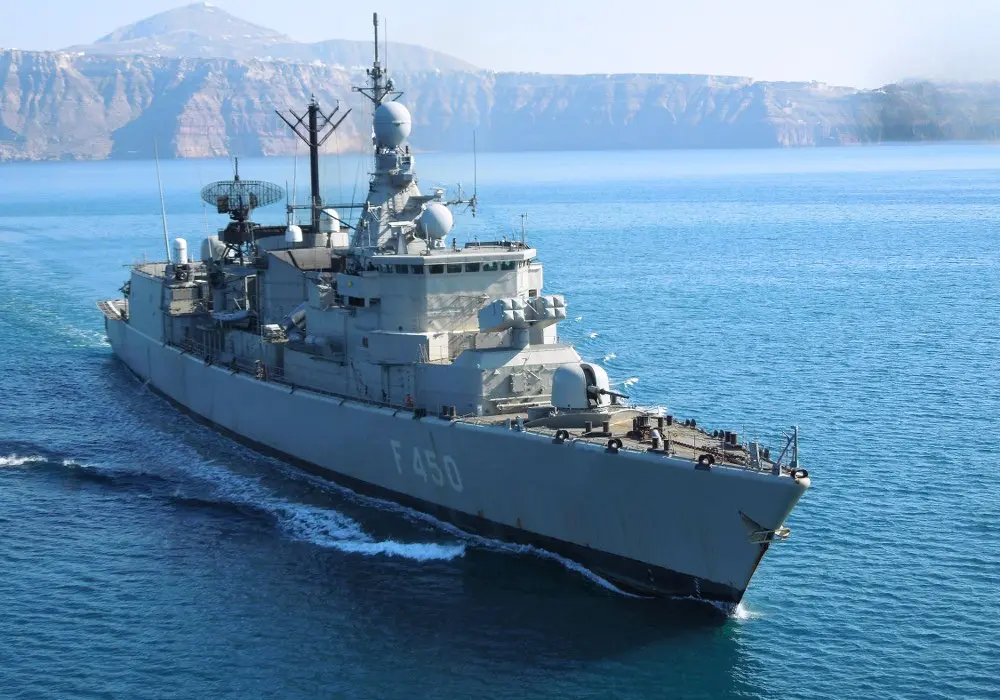
Vessel operations depend on stable and continuous power availability where even minor system disturbances can affect propulsion, navigation and onboard safety.
Power Stability & Blackout Risk
Load spikes during maneuvering or DP operations, insufficient spinning reserve and protection gaps in legacy systems can lead to instability or blackout events.
System Fragmentation & Control Logic Gaps
Multi-vendor subsystems, non-unified HMIs and lack of coordinated control logic increase response time and risk of cascading failures.
Downtime = Revenue Loss
Unavailable vessel directly impacts profitability
Performance-based Chartering Priorities
Charterers select vessels based on performance history, uptime and absence of technical incidents.
Limited Real-Time Visibility (Ship & Shore)
Lack of real time operational visibility reduces the vessel’s ability to detect faults and limits operational awareness.
Power instability or system failure directly affect vessel safety, operability, charter performance and revenue generation.
 Enhancing Reliability & Availability by:
 OEM certified upgrades across propulsion, power generation and auxiliary equipment
Design, development and deployment of PMS upgrades for stable power and blackout prevention during dynamic operating conditions
Replacement of fragmented onboard systems with fully integrated automation across all vessel systems for coordination and enhanced vessel stability
A significant portion of the global fleet operates with outdated systems, with significant operational implications.
Obsolete Systems & Spare-Part Scarcity
Legacy governors and control systems are no longer supported, creating long-term operational risk.
Unsupported Automation Platforms
Outdated systems limit maintainability, upgrades and cybersecurity compliance.
Difficult integration between legacy systems and new technologies
Mismatch between legacy systems and modern technologies increases engineering complexity and cost.
Limited time windows for upgrades
Retrofit solutions must be implemented within tight operational windows, without disrupting vessel availability (eg. dry docking /port calls).
Increased operational risk, limited upgrade flexibility and dependency on unsupported systems can lead to extended downtime, reduced vessel availability and loss of lifecycle value, directly impacting operational continuity and revenue generation.
Fleet Longevity by: Replacement of legacy systems with modern, OEM-supported technologies, ensuring long-term maintainability and spare parts availability
Targeted upgrades for asset lifecycle extension without replacement of sound mechanical equipment
Leverage upon MAS long-standing partnerships with leading OEMs for reliability, compatibility and long-term maintainability
Real-time operational conditions and vessel control decisions directly influence fuel consumption and overall energy efficiency.
Increasing regulatory requirements and performance expectations create the need for more controlled, data-driven energy management.
Limited Systems Performance and Fuel Consumption Visibility
Limited insight into fuel consumption, generator loading and system efficiency.
Suboptimal Load Management
Poor generator loading and load sharing increase fuel consumption and reduce efficiency.
Inefficient Voyage & Power Operation
Suboptimal speed profiles, power usage and system coordination lead to increased fuel consumption and reduced operational performance.
Regulatory Pressure (IMO / CII / SEEMP)
Continuous monitoring, optimisation and reporting of emissions and fuel consumption are mandatory.
Need for Verified, Tamper-Proof Data of Fuel Consumption
Charterers and regulators require transparent, reliable and auditable operational and fuel consumption data.
Reduced voyage efficiency, increased fuel consumption and inability to meet regulatory and chartering performance requirements directly impact vessel profitability, competitiveness and commercial positioning.
Optimising Energy Efficiency & Fuel Consumption by: Integrated engineering solutions for best fuel consumption, energy efficiency and compliance
Design and deployment of PMS upgrades across all vessel types for stable generator coordination and optimised operational efficiency
Embedment of digital layers on top of automation systems to support efficiency, data-driven decision making and compliance
Vessel operations increasingly depend on managing interconnected automation systems within constrained crew resources and capabilities.
Growing Managing Complexity
Advanced systems increase operational and technical demands onboard.
Crew Sizes and Expertise Dependancy
Reduced crew sizes and varying know-how impact system handling.
Human Error Risk in Critical Conditions
Non-standardised interfaces and control logic increase response time and error probability.
Limited onboard resources and varying expertise capabilities raise the risk of inefficient operation, affecting vessel safety, performance and operational reliability.
Simplifying Vessel Operations by: Fragmented systems that create complexity transformed into a unified highly automated environment for simplified control and trouble shooting
Operational visibility and supported data-driven decision-making to reduce dependency on manual diagnostics
Vessel operations are increasingly shaped by stricter regulatory frameworks and growing cybersecurity exposure in connected onboard systems.
Regulatory Pressure (IMO / CII / SEEMP)
Evolving emissions and fuels consumption mandatory target levels.
Mandatory Environmental and Operational Monitoring & Reporting
Emissions, alarms and operational data must be continuously recorded and be available for inspection.
Traceability & Event Logging Requirements
Class societies require structured, time-stamped alarm and trip history for validation and audits.
Increased Exposure to Cybersecurity Risk of Connected Systems
Increasing digitalisation and remote connectivity expose vessel systems to cyber risks, requiring secure architectures and protected data flows.
Non-compliance and cybersecurity vulnerabilities directly affect vessel availability, reputation and commercial viability with direct negative consequences on revenue and credibility.
Ensuring Compliance & Cybersecurity by: Structured and verifiable data availability to provide regulatory compliance and reporting support
Fully aligned infrastructure with class, OEM and regulatory requirements
Vessel systems upgrades to meet modern cybersecurity and connectivity requirements