Oil & Gas and Process Industries operate in highly complex, safety-critical environments, where process integrity, operational safety and system reliability are essential. Aging assets, strict regulatory frameworks and demanding operating conditions increase the complexity of maintaining stable and secure operations. Ensuring safe, uninterrupted process performance, while managing risk and maintaining compliance, is a fundamental challenge for operators in these environments.

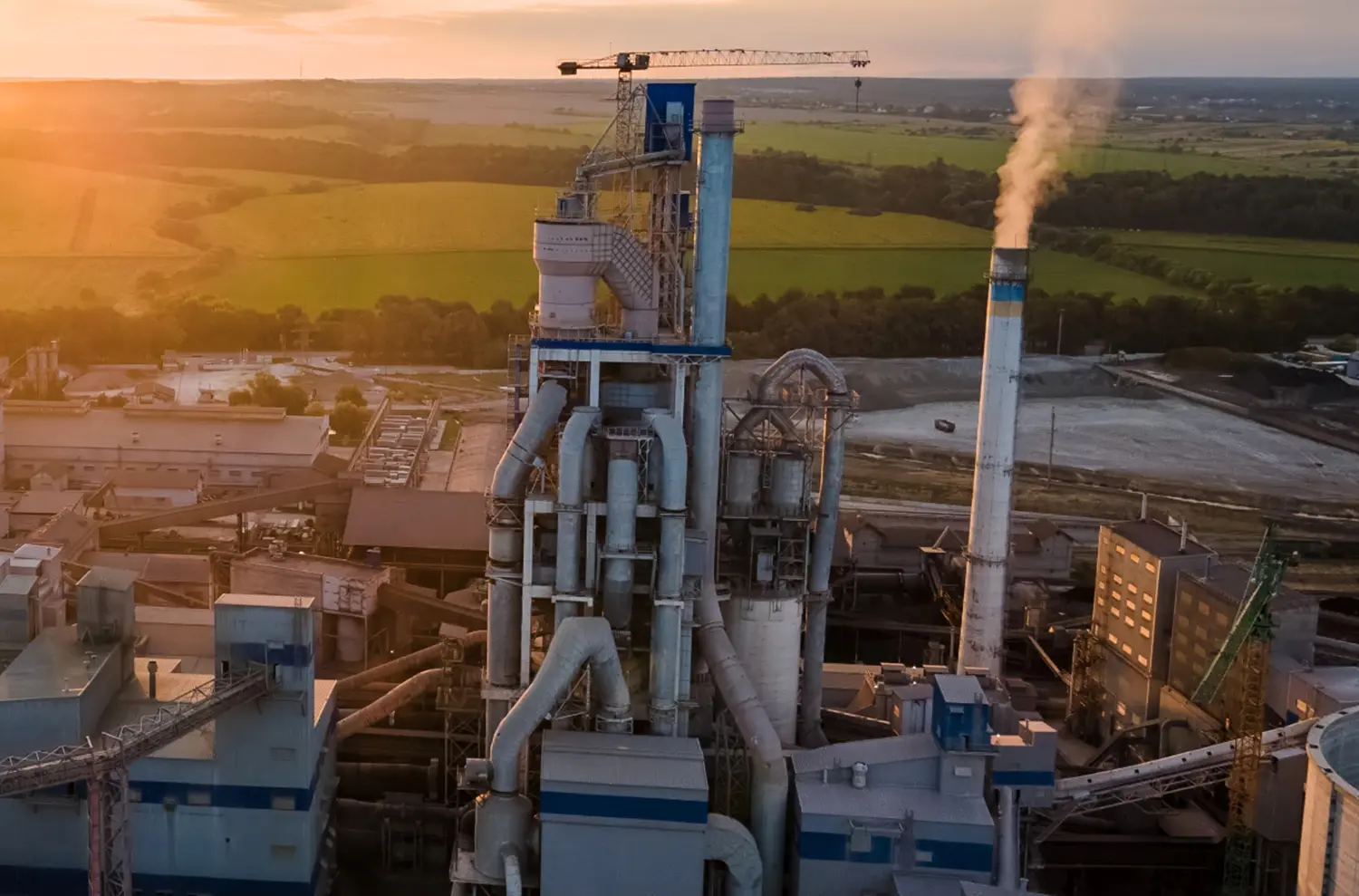
Oil & Gas and Process Industries rely on the continuous and safe operation of critical process equipment, where reliability and availability are essential to maintaining process integrity, operational safety and uninterrupted production.
Aging Control & Automation Systems
Legacy control platforms reduce reliability, limit system responsiveness and increase failure probability.
OEM Obsolescence & Spare Parts Risk
Unsupported systems create operational risk due to lack of spare parts, documentation and OEM support.
Unplanned Downtime & Production Losses
Unexpected shutdowns directly impact production, safety and financial performance.
System failures or unplanned downtime compromise process integrity, disrupt production and create significant safety and environmental risks, directly affecting financial performance and compliance.
 ENHANCING RELIABILITY, AVAILABILITY & PROCESS INTEGRITY BY:
 Replacement of obsolete systems with modern, OEM-supported technologies for safe, stable and uninterrupted operation, production continuity and operational integrity
Targeted retrofits for the whole range of mission-critical systems
Safety-critical systems for immediate response to abnormal conditions
Long-term maintainability and supportability
Manufacturer-approved engineering and lifecycle support

Oil & Gas facilities, Fertilisers and Heavy Industries operate as highly complex process environments, where multiple control, safety and monitoring systems must function in a coordinated and tightly integrated manner to ensure safe and stable operation.
Fragmented Architectures & Control Logic Gaps
Lack of unified control leads to inefficiencies and increased operational risk.
Difficult Integration between Legacy & Modern Systems
Legacy systems often limit the implementation of new technologies.
Increasing System Complexity
Modern process environments require advanced unification of multiple subsystems.
Fragmented system architectures can lead to process instability, delayed response to critical events and increased operational risk, directly affecting safety, production continuity and regulatory compliance.
UNIFYING FRAGMENTED SYSTEMS INTO ONE ENGINEERING ARCHITECTURE BY: Integration of all systems into a single, coherent operational environment for enhanced safety and process integrity
Tailored engineering for complex process environments
MAS enables stable and coordinated operation across interconnected units
Improved process stability and operational consistency
Energy performance in Oil & Gas & Process Industries is intrinsically linked to process operation, where efficient management of equipment and process conditions directly impacts consumption, throughput and emissions.
Increasing Cost of Energy Consumption
Energy is a major operational cost driver, with continuously increasing costs.
Suboptimal Load & Power Management
Inefficient coordination of generators, compressors and process loads reduces efficiency.
Lack of Integrated Energy Management
Limited visibility of operations and management of energy flows across installations.
Inefficient process and energy management increase operational costs, reduce throughput and lead to higher emissions, directly affecting plant performance, regulatory compliance and overall profitability.
ENHANCING ENERGY AND PROCESS EFFICIENCY BY: Advanced PMS, tailored to process environments for improved energy and process efficiency
Tailored EMS solutions for coordinated energy performance across complex installations
Specialised control solutions for mission-critical systems
Alignment with environmental and regulatory requirements
Continuous power availability is critical for safe operation of process equipment, control systems and safety functions.
Power Supply Instability & Risk of Total Shutdown
Power disturbances can lead to plant-wide trips and safety risks.
Inadequate or Obsolete Backup Power Systems
Legacy emergency power systems may not meet current requirements.
Critical Dependency on Electrical Infrastructure
Failure of power supply system affects the entire installation.
Power interruptions or instability can lead to process trips, shutdown of critical units and loss of safety system functionality, directly affecting operational safety, production continuity and regulatory compliance.
Empowering Power System Resilience & Uninterrupted Operation by: Design and deployment of advanced systems for continuous power availability under all operating conditions
Oil & Gas installations operate under the strictest safety and regulatory frameworks, where protection systems and compliance mechanisms are critical to ensuring personnel safety, process integrity and environmentally responsible operation.
Increasing Safety & Protection Requirements
Latest standards demand reliable and fast-acting protection systems.
Outdated or Inadequate Protection Schemes
Legacy systems may fail to detect or isolate faults effectively.
Regulatory & Compliance Pressure
Operators must comply with strict safety, environmental and operational regulations.
Inadequate protection systems or failure to meet regulatory requirements can lead to safety incidents, environmental impact and operational shutdowns, directly affecting compliance status, operational continuity and financial performance.
Safeguarding Safety And Compliance by: Comprehensive protection systems and safety-critical control architectures, aligned with industry regulations for safe and stable operation
Safety-critical systems for immediate response to abnormal conditions:
Enhanced system safety and resilience under disturbances
Enhanced system safety and resilience under disturbances
Full regulatory alignment and certification readiness
Engineering documentation and validation for audits and inspections
Many Oil & Gas installations, Fertilisers and Heavy Industries still operate with limited real-time visibility and fragmented data environments, while accurate and structured data remains essential for safe operation, regulatory compliance and performance optimisation.
Limited Monitoring & Diagnostics Capabilities
Legacy systems do not support advanced monitoring.
Fragmented Data & Lack of Centralised Insight
Operational data is not unified or easily accessible.
Reactive Instead of Proactive Operation
Lack of data-driven insight leads to inefficient decision-making.
Limited operational visibility and lack of traceable data can lead to delayed response to critical events, inability to verify system performance and increased compliance risk, directly affecting safety, process reliability and regulatory standards.
EMPOWERING OPERATIONAL TRANSPARENCY BY: Embedded digital capabilities for full operational visibility ensure safe and optimal operations
Data traceability for performance monitoring
Advanced digital tools for compliance
Oil & Gas and Process Industries often operate with long-life mechanical equipment and obsolete control systems, requiring targeted retrofit within active, safety-critical environments without compromising process integrity or operational continuity.
High CAPEX for Full Replacement
Obsolete control and automation systems limit performance despite the functional conditions of the assets. However, replacing entire systems is economically challenging.
Need for Lifecycle Extension
Operators aim to extend asset life while improving performance.
Full system replacement involves high capital expenditure, extended shutdowns and significant operational risk, while failure to modernise increases reliability issues and compliance exposure, directly affecting safety, production continuity and long-term asset value.
RETROFITTING AND ASSET RECAPITALISATION BY: Retrofit solutions within operating refineries for minimal disruption, safe operation, without unnecessary replacement of core equipment
Smooth transition from legacy to modern systems:
Long-term reliability and regulatory alignment
Asset value maximisation, while maintaining safe operation
Optimisation of total cost of ownership (TCO)